Launching a Product Without Burning the Budget
Every launch has the same problem: nothing sells without reviews and reviews come from sales. Here is the order that gets through it.


Loading Article banner
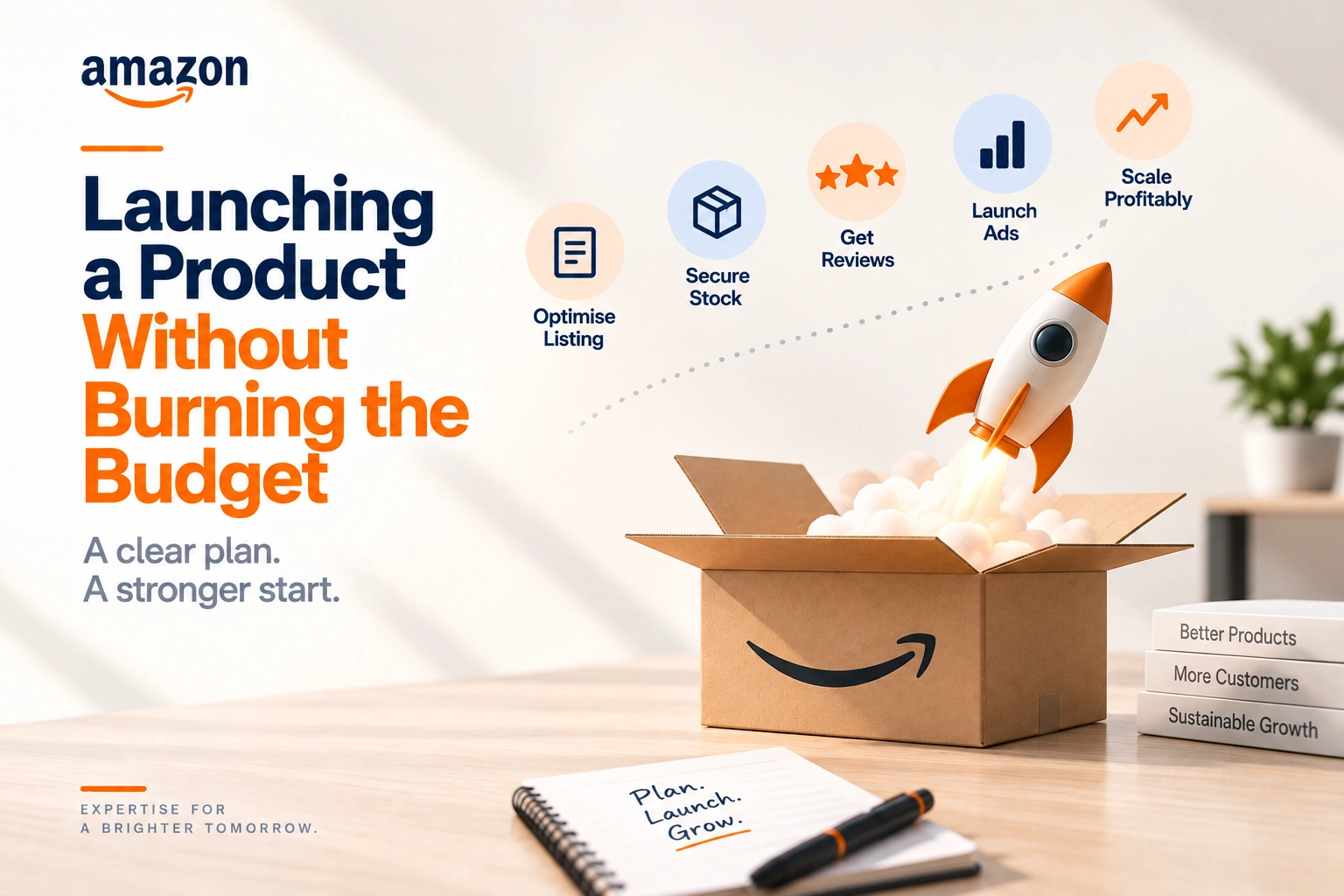
A launch is a chicken and egg problem stated in public. Nothing ranks without sales, sales need reviews, and reviews come from sales. Every launch tactic that has ever existed is an attempt to get through that opening.
What follows is the order that works, and the order matters more than any single tactic in it.
Before the first unit sells
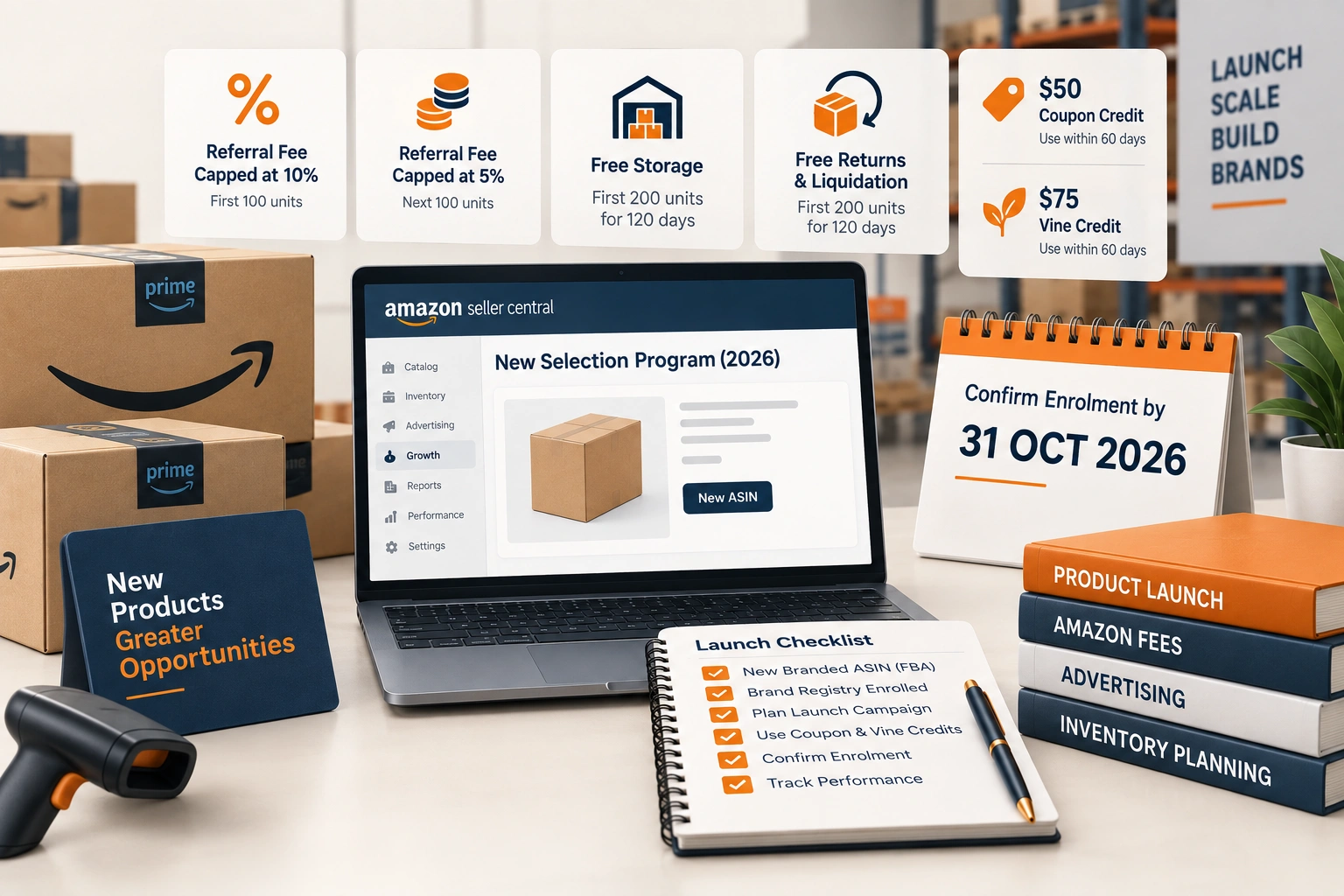
The listing has to be finished. Not adequate: finished. Every image, the full title, the bullets, the A+ content if you have Brand Registry, and the backend fields filled in.
This is not a preference. Advertising a half-finished page means paying for clicks that were never going to convert, and the conversion rate you record in the first fortnight is the one Amazon uses to decide whether to show you organically.
Stock cover matters as much. A launch that runs out in week three loses the ranking it just paid for, and getting it back costs more than holding the stock would have.
The first reviews
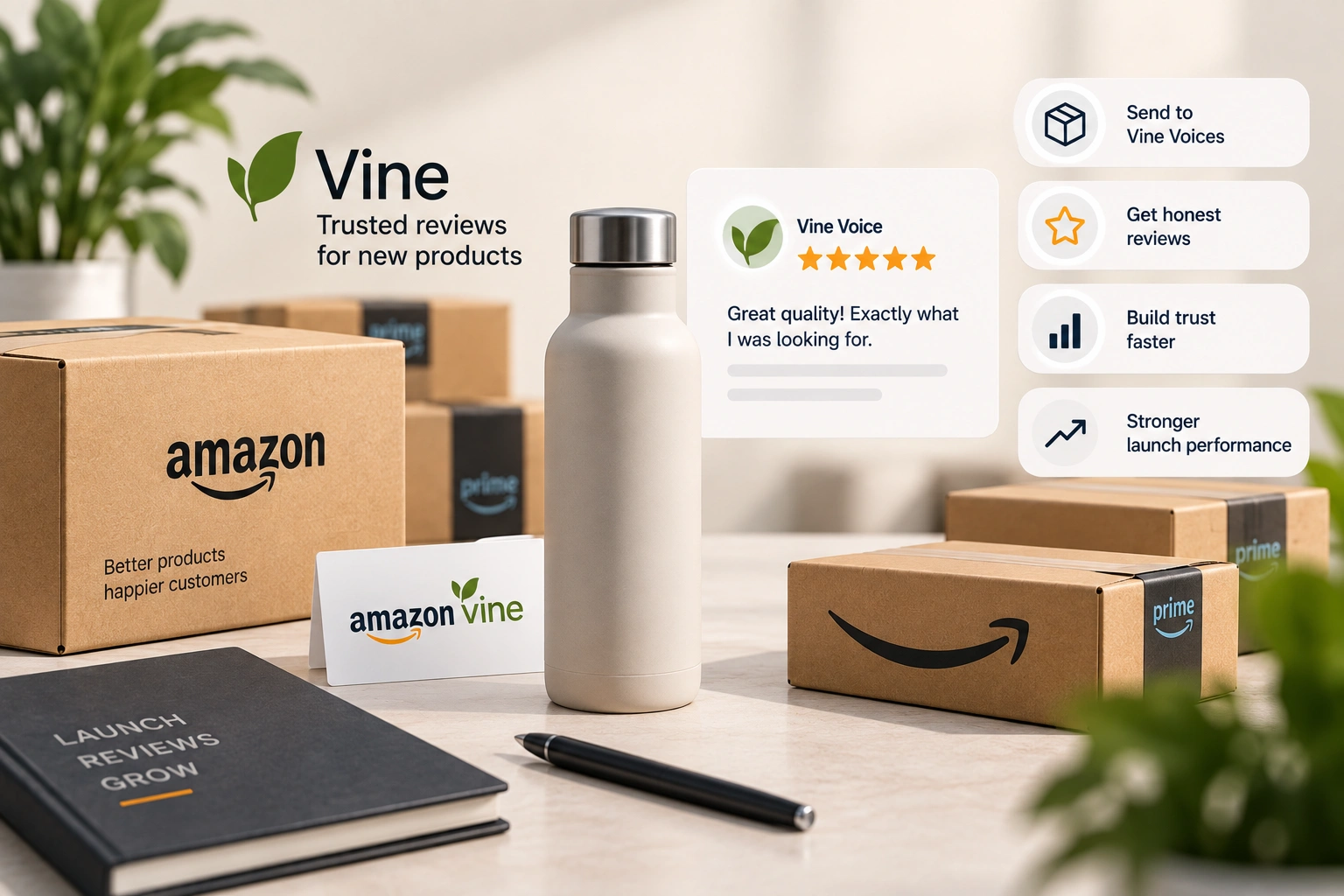
Vine is the sanctioned route, available to registered brands. You give units to Amazon's reviewer programme and get honest reviews, which means a weak product gets honestly reviewed as a weak one. That is a feature: better to learn it now.
The request a review button on every order, which is the compliant way to ask. Automating it through an approved tool is fine; writing your own message asking for a positive review is not.
What does not work, and costs accounts: paid reviews, review groups, inserts offering anything in exchange for a review, and asking to be contacted before a negative one is left. All of it is against policy, all of it is detectable, and the penalty lands on the account rather than the product.
Advertising in the first month
Start on exact match against the handful of terms the product genuinely is. Broad and automatic campaigns are for discovery later, when there is enough data for the discovery to mean something.
Expect the cost per sale to be bad. A launch buys ranking rather than profit, and treating the first fortnight's ACOS as a verdict on the product is the most common way a launch is killed before it starts.
What matters is the trend across weeks: cost per sale falling and organic sales appearing beside the paid ones. If neither happens by the end of the first month, the problem is the listing or the price rather than the bids.
Price during a launch
Lower than the target, and not by so much that returning to the target kills the conversion rate. A launch price is an investment in early sales velocity, and the plan for coming off it should exist before it starts.
Coupons and a discount badge do more work than the same money taken off the price, because the badge is visible in search results and the price alone is not.
What to watch, weekly
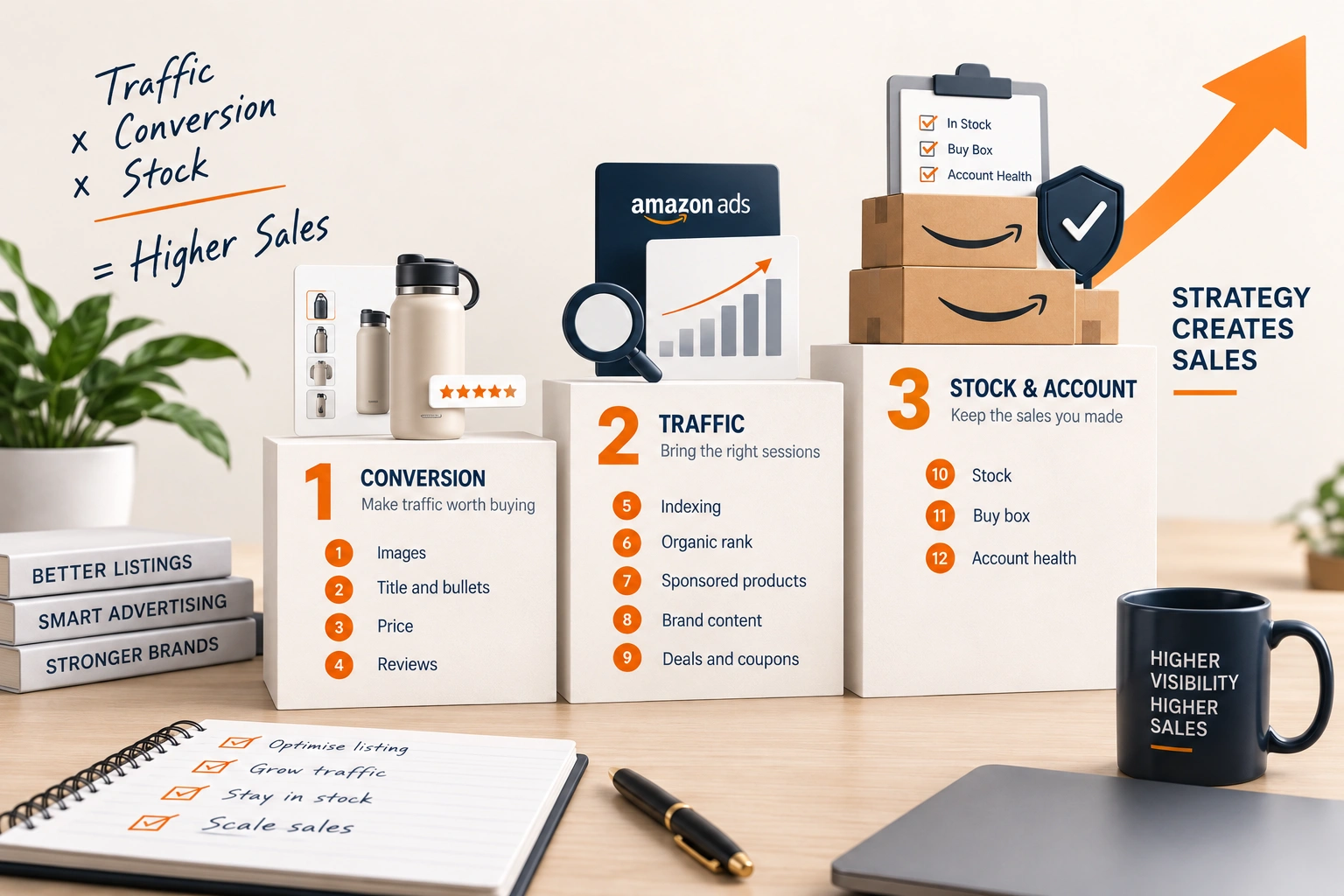
Sessions, conversion rate, buy box share and organic rank on your main term. Those four say which of the four possible problems you have: nobody arrives, they arrive and do not buy, they would buy and you do not have the button, or it is working and needs time.
The same four questions decide a launch on Walmart, where competition is thinner and the opening is often cheaper, which is worth knowing if the Amazon category you are entering is expensive.
Reading them in that order stops the usual mistake, which is changing bids when the conversion rate is the problem.
What we do with this
Launches are the part of Amazon account management where sequence matters most, because almost everything expensive about a bad launch is caused by doing the right things in the wrong order.
The photography and A+ content are usually the constraint rather than the advertising, which is why launch work and design work get planned together rather than one after the other.
If you have stock arriving and no plan for the first month, that is the conversation to have before it lands.
Frequently asked questions
The questions that come up most often on this subject.
Finish the listing completely, secure stock cover for at least the first months, get early reviews through Vine and the request a review button, and advertise on exact match against the terms the product genuinely is. The order matters more than any single tactic.
Fewer than most people think, and the rating matters more than the count. A handful of genuine reviews above four stars converts far better than none, and a product sitting at 3.5 with thirty reviews is harder to rescue than one with three.
For a registered brand launching something new, usually yes. It is the sanctioned way through the opening problem, and the reviews are honest, which means a weak product gets honestly reviewed as one. Learning that in week two is cheaper than learning it in month six.
No. Anything offered in exchange for a review is against policy, including inserts that offer a gift, and the penalty falls on the account rather than the product. The request a review button is the compliant way to ask.
Worse than your target, and that is expected: a launch buys ranking rather than profit. What matters is the trend across weeks, cost per sale falling and organic sales appearing. Judging the first fortnight as a verdict is how launches get killed early.
Usually, and not so deep that returning to the target price collapses the conversion rate. Plan the way off the launch price before you start, and prefer a coupon or a discount badge to the same money taken off the price, because the badge is visible in search results.
Enough to survive the launch itself plus the lead time on a reorder. Running out in week three loses the ranking the advertising just paid for, and regaining it costs more than the stock would have.
Exact first, on the few terms the product genuinely is. Broad and automatic campaigns are discovery tools, and discovery on a product with no history spends money finding out things the listing already told you.
Weeks rather than days to see whether it is working, and months for organic rank to settle. If cost per sale is not falling and no organic sales have appeared by the end of the first month, the problem is the listing or the price rather than the bids.
Advertising a half-finished listing. The conversion rate recorded in the first fortnight is the one Amazon uses to decide whether to show the product organically, so paying for traffic to a page that is not ready damages the thing the launch was for.