The Amazon Brand Store, and What It Is Actually For
A Brand Store is the only page on Amazon where a brand controls the whole screen. Most are built once, treated as a brochure and then left alone, which wastes the one place the competition is not.


Loading Article banner
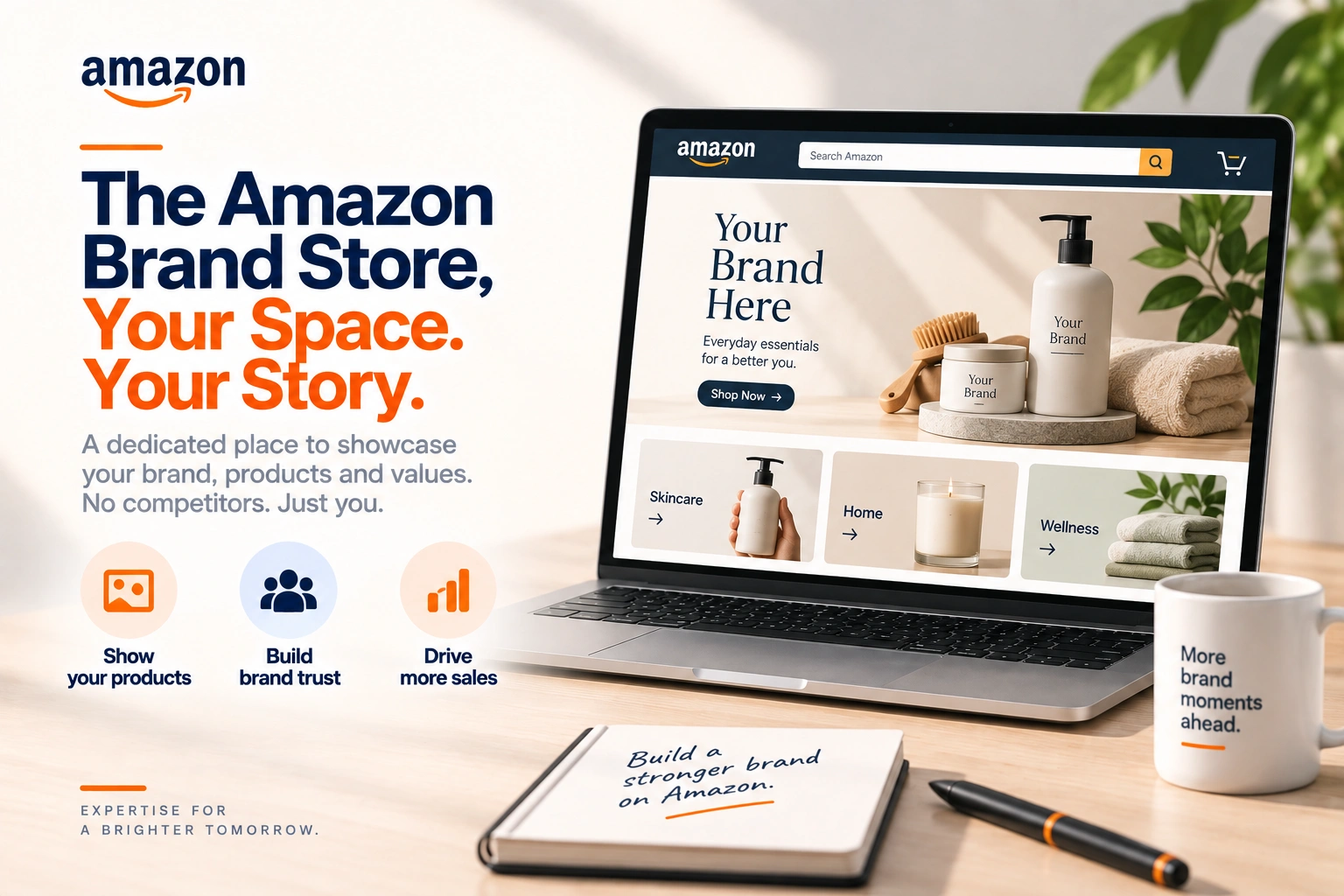
Every other surface on Amazon is shared. A product page carries competitors in the carousel below it, in the comparison table, and in the sponsored strip above the fold. Search results are a grid of other people's products with yours somewhere in it. The Brand Store is the exception: a multi page space where the whole screen belongs to one brand and nothing on it is selling anything else.
That is worth understanding before deciding how much effort it deserves, because the answer is not obvious. A Brand Store is not a shop in its own right. Nobody browses Amazon by brand the way they browse a high street, and a Store with no traffic pointed at it will sit there receiving a trickle. What it is is a destination worth having when something is already sending people somewhere.
Who can build one
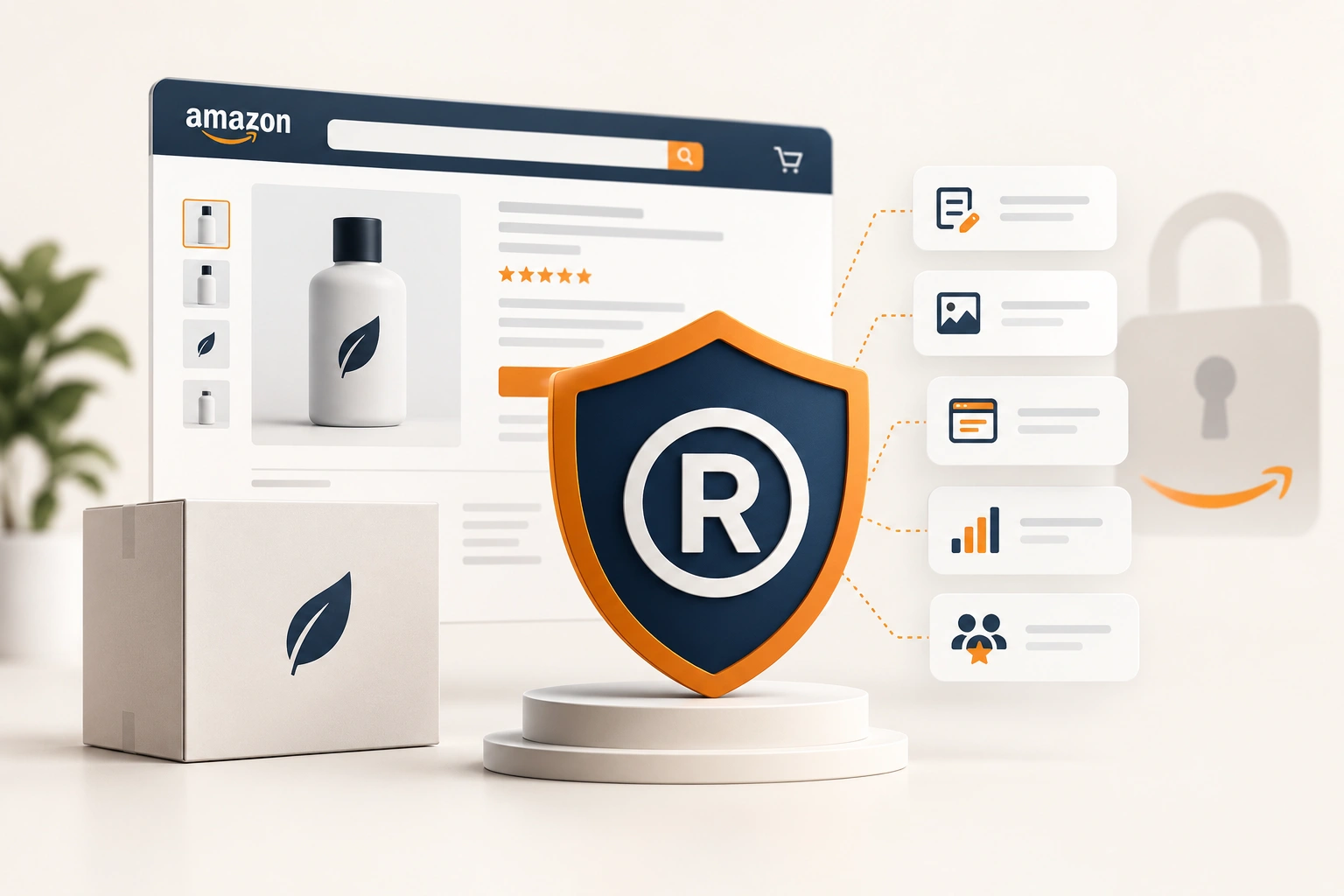
Brand Registry. That is the whole of the eligibility rule and it is the same gate that unlocks A+ content, Sponsored Brands and the brand analytics reporting, which is why registry tends to be the thing that changes what a seller can do rather than any single feature. Registry needs a registered trademark, and the application is a documentation exercise rather than a form.
A reseller cannot build a Brand Store for somebody else's brand, and this catches people out: selling a brand's products, even a lot of them, is not the same as owning the brand on Amazon. What is and is not permitted when reselling is its own subject, and we have written about what reselling on Amazon actually allows.
How anybody arrives at it
Four routes, and their relative sizes are the reason most Stores underperform.
The byline on a product page, the small brand name above the title, is the one nobody plans for and it delivers steadily. Somebody reading a product page, deciding they like what they see and wanting to know what else the brand makes: that is the highest intent traffic a Store gets and it costs nothing.
Sponsored Brands advertising is the one that can be turned up. A Sponsored Brands placement can send its click to a Store page rather than to a product listing, which is the only way to buy traffic into a Store at scale. Whether that is a good idea depends on the product: a considered purchase with a range behind it benefits, a single impulse item usually does not, and the campaign types are worth understanding before choosing between them. We cover what each Amazon ad type earns its budget on separately.
Off Amazon traffic is the third, and it is the one that behaves differently from the rest: a Store page can be given its own URL and used as a landing page for social, email or influencer traffic. Amazon offers attribution reporting on that, which is the only place it will tell a brand what external traffic did.
Organic discovery inside Amazon is the fourth and it is close to nothing. Store pages do not compete in search results with products. Anybody building a Store expecting search traffic to it has misunderstood what it is.
The layout most brands choose, and why it converts worst
The default instinct is a homepage that says who the brand is: a large lifestyle image, a paragraph about heritage, values, founding. It reads well and it is the worst performing thing a Store can lead with, because it answers a question the visitor did not ask.
Somebody arriving at a Store has already seen a product. They are not deciding whether the brand is admirable. They are deciding whether it makes the other thing they need, and the fastest way to answer that is to show them the range organised the way they would sort it themselves. By type, by size, by use, by problem.
That is the same discipline that applies to a listing: the page has one job and the words at the top decide whether anybody reaches the ones lower down. It is worth reading alongside how product descriptions and supplier feeds interact, because a Store built from a feed inherits whatever the feed says.
What the reporting will and will not tell you
Store insights report visitors, views, sales and units per page, and they are more useful than they look because they are per page rather than per Store. A category page with heavy traffic and no sales is a page whose products are wrong for the people arriving at it, which is a specific and fixable thing.
What the reporting will not do is attribute a sale to the Store when the shopper left it, browsed elsewhere and came back later, which is most of them. Treating Store revenue as the measure of whether a Store is working understates it every time. The more honest reading is direction: whether the pages people land on are sending them onward, and whether the range is being discovered rather than one product being bought repeatedly.
The same caution applies to every Amazon report, and knowing which ones repay reading is half the job. Brand analytics is worth understanding on its own terms.
When it is worth the effort, and when it is not
A Store earns its build when a brand has a range rather than a product, when something is already sending traffic that a Store could catch, and when the catalogue is stable enough that the Store will not be out of date in a quarter.
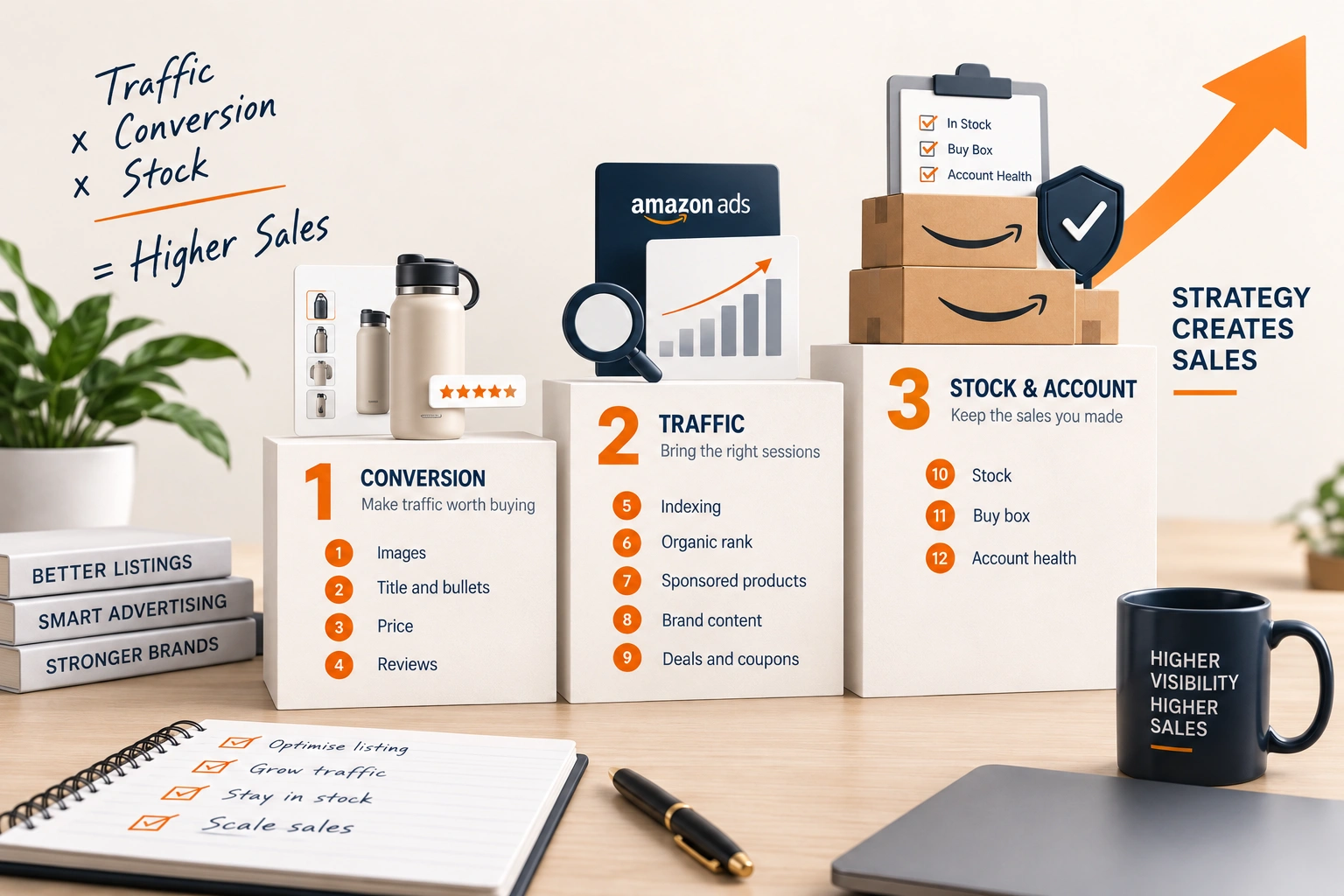
It does not earn it for a single product, for a catalogue that changes weekly, or as a substitute for the work on the listings themselves. A beautiful Store above a set of listings that do not convert is decoration on a problem. The listing is where the money is decided, which is why a campaign that spends without converting is almost never an advertising problem.
Built once and abandoned is the common failure. A Store is a set of pages, and pages go stale: discontinued products, a seasonal hero six months out of season, a category that no longer reflects what the brand sells. It wants a look every quarter, which is a smaller commitment than building it and the part most brands skip.
A Store is one part of a catalogue that has to hold together, and it is rarely the part that needs attention first. If the listings underneath it are the constraint, that is where to start, and it is the bulk of what Amazon account management actually consists of.
Related reading: Amazon Listing Optimization: What Actually Moves Rank.
Frequently asked questions
The questions that come up most often on this subject.
Yes. Brand Registry is the eligibility requirement and there is no way around it, which in turn means a registered trademark. It is the same gate that unlocks A+ content and Sponsored Brands, so it tends to be the change that matters rather than any one feature behind it.
Not directly. Store pages do not compete in search results and having one does not lift a listing's position. What a Store can do is hold a shopper who has already found one product and show them the rest of the range, which affects what they buy rather than whether they find it.
Mostly through the brand byline on a product page, which is the highest intent route and costs nothing. Beyond that, Sponsored Brands campaigns can send a click to a Store page, and a Store page has its own URL that can be used as a landing page for traffic from outside Amazon. Organic discovery inside Amazon is close to nothing.
Quarterly is a reasonable rhythm for most catalogues. The failure mode is not a Store that is slightly out of date, it is one built once and never opened again: discontinued products still listed, a seasonal image half a year out of season, and categories that no longer match what the brand sells.