Automatic and Manual Amazon Campaigns: How They Work Together
It is not a choice between the two. Automatic campaigns find the words, manual campaigns pay properly for the ones worth having, and the handover between them is where the money is.


Loading Article banner
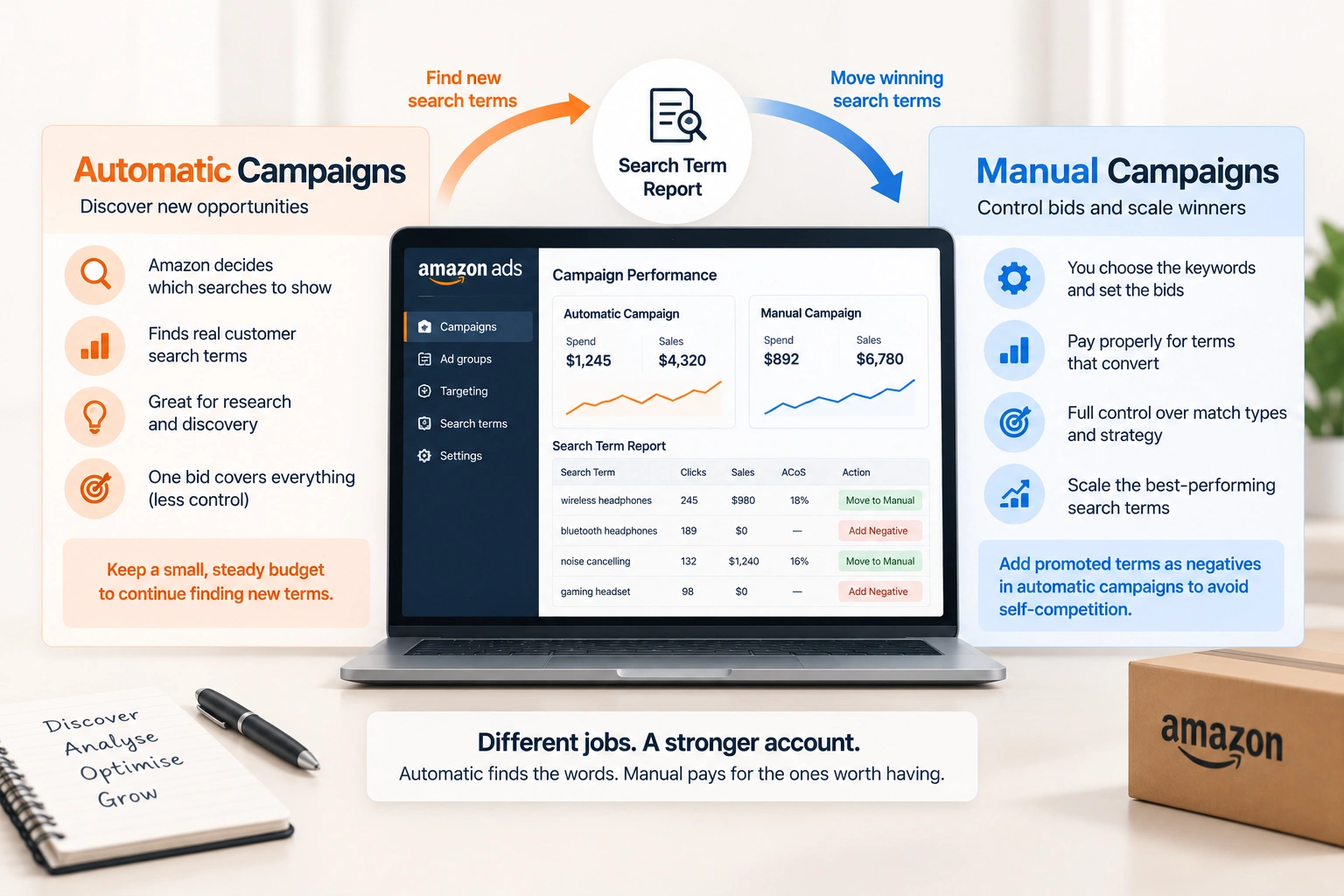
The question is usually posed as a choice, and it is not one. Automatic and manual campaigns do different jobs, and an account running only one of them is either not discovering anything or not controlling anything.
What an automatic campaign is actually for
You give Amazon a product and a budget, and it decides which searches to show it against, using the listing and whatever it knows about the category.
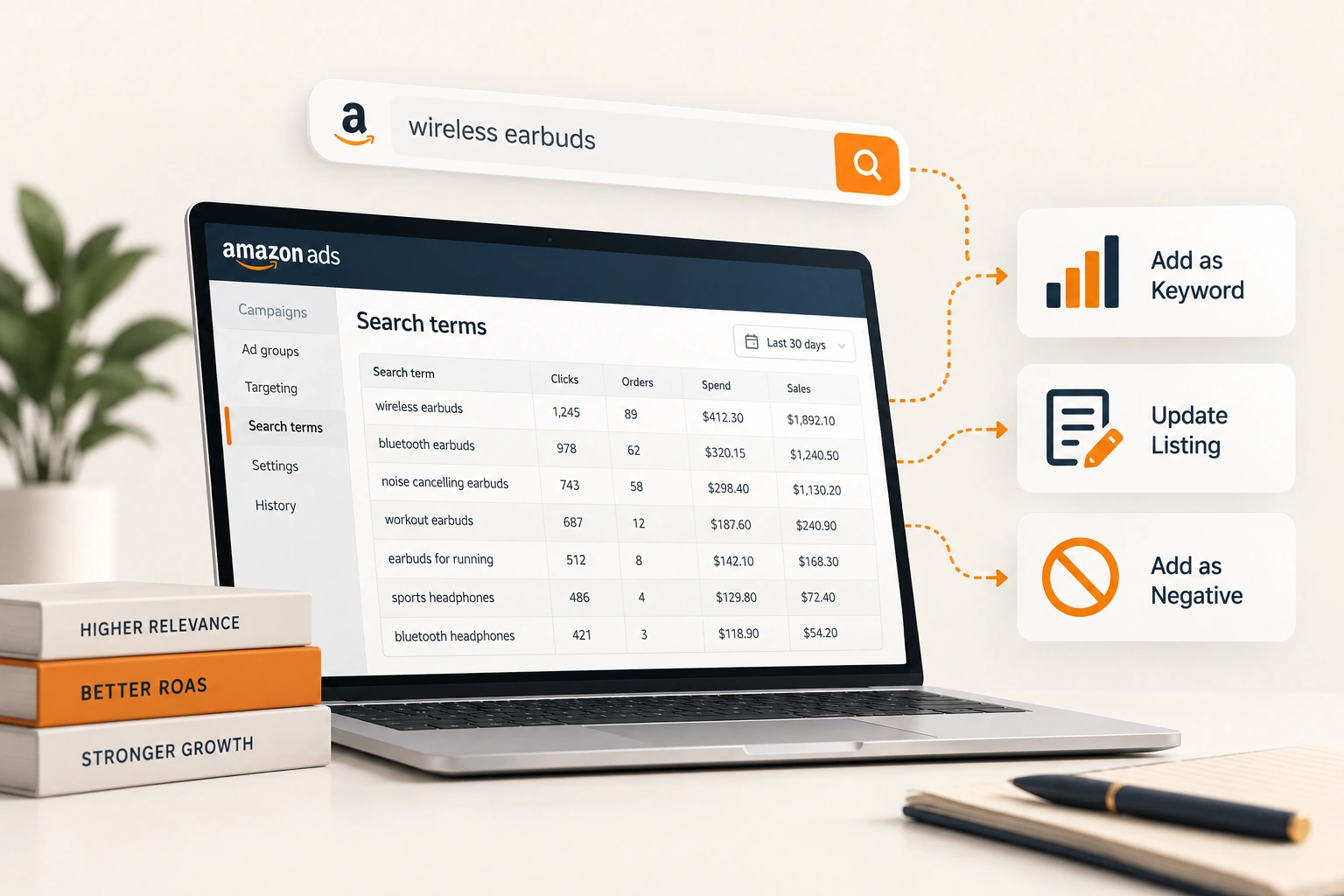
That sounds like laziness and it is the opposite. It is research. Real shoppers use words nobody in your business would write down, and the search term report from an automatic campaign is the only place those words appear before you are paying for them deliberately.
What it cannot do is set a sensible price. One bid covers everything it decides to match, so a term worth two dollars and a term worth twenty cents are bought at the same price, and one of the two is always wrong.
What a manual campaign is for
A term you have chosen, at a bid you have chosen. That is the whole of it, and it is the only way a good term gets the money it deserves.
The cost is that you can only pay for words you already know. A manual only account is a permanent record of what somebody assumed in the first week, gradually going stale as the way people search changes around it.
The handover, which is where the money is
The loop is short and most accounts run about half of it.
The automatic campaign discovers a term. It gets enough clicks to be judged. If it converts, it goes into a manual campaign as exact match, with its own bid set on what it is actually worth.
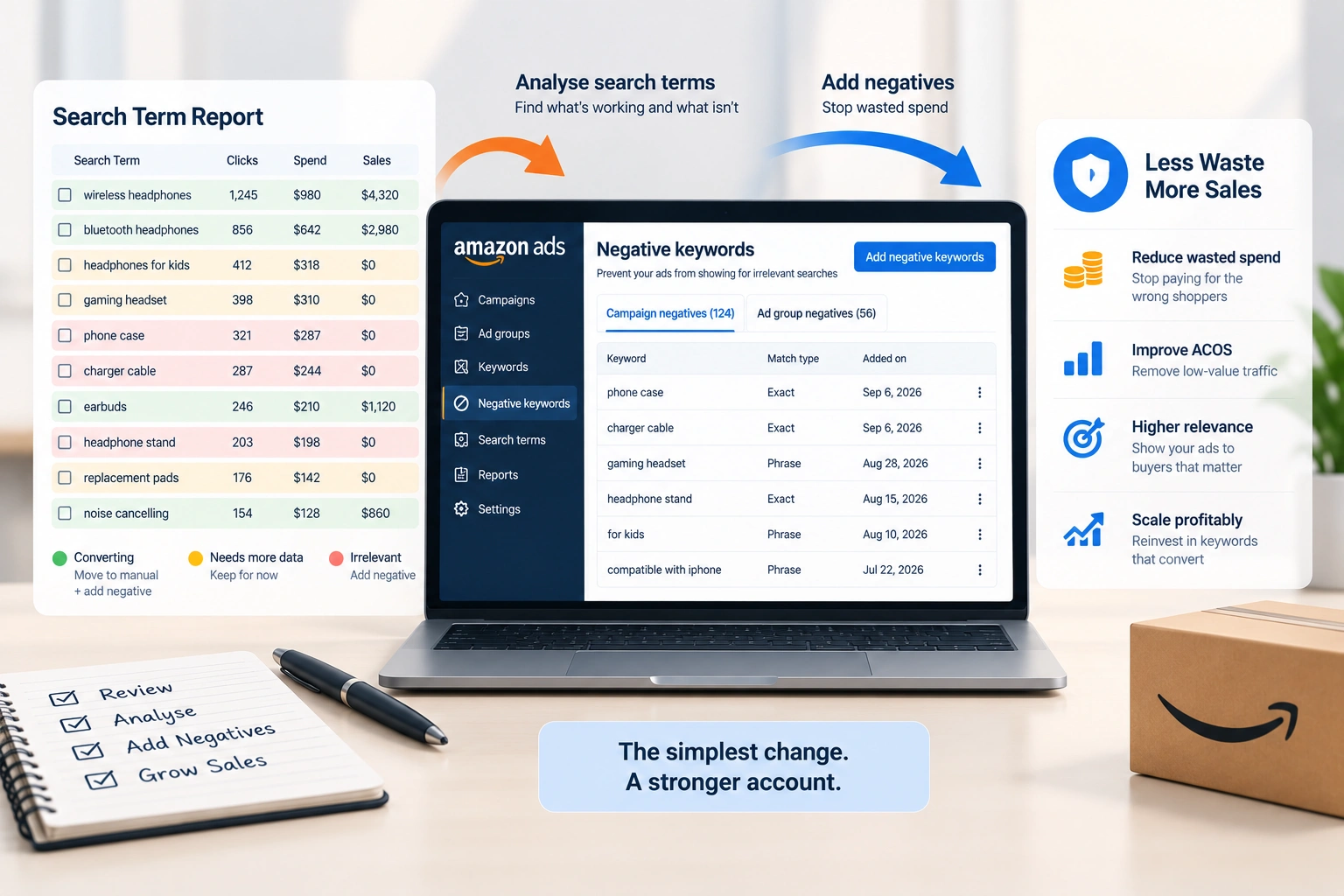
And then, the step that gets missed: add it as a negative exact in the automatic campaign. Otherwise both campaigns keep bidding on it, you are competing with yourself, and you pay more for the same sale while the reporting splits across two lines and understates both.
Terms that do not convert become negatives too. The mechanics of doing that without overreaching are in negative keywords, the cheapest work in Amazon PPC.
How much to leave in automatic
Enough to keep finding things. Once the good terms have been promoted, what remains is mostly the waste, so an automatic campaign left to grow becomes an expensive way to buy the matches you rejected.
Treat it as a standing research budget: small, steady, reviewed weekly, never the largest line in the account. The moment it becomes the largest line, something has stopped being read.
The four match groups, briefly
Automatic campaigns split into close match, loose match, substitutes and complements. They behave differently enough to be worth separating: substitutes and complements target other products' pages rather than searches, and they usually want a lower bid than the two search groups.
Splitting them is ten minutes of setup and it stops one expensive group hiding inside an average.
Where this sits in the wider account
The handover only works if somebody reads the search term report on a schedule, which is the first item in the weekly optimization routine. When it stops happening, an automatic campaign does not fail loudly. It just keeps spending on terms that were promoted months ago.
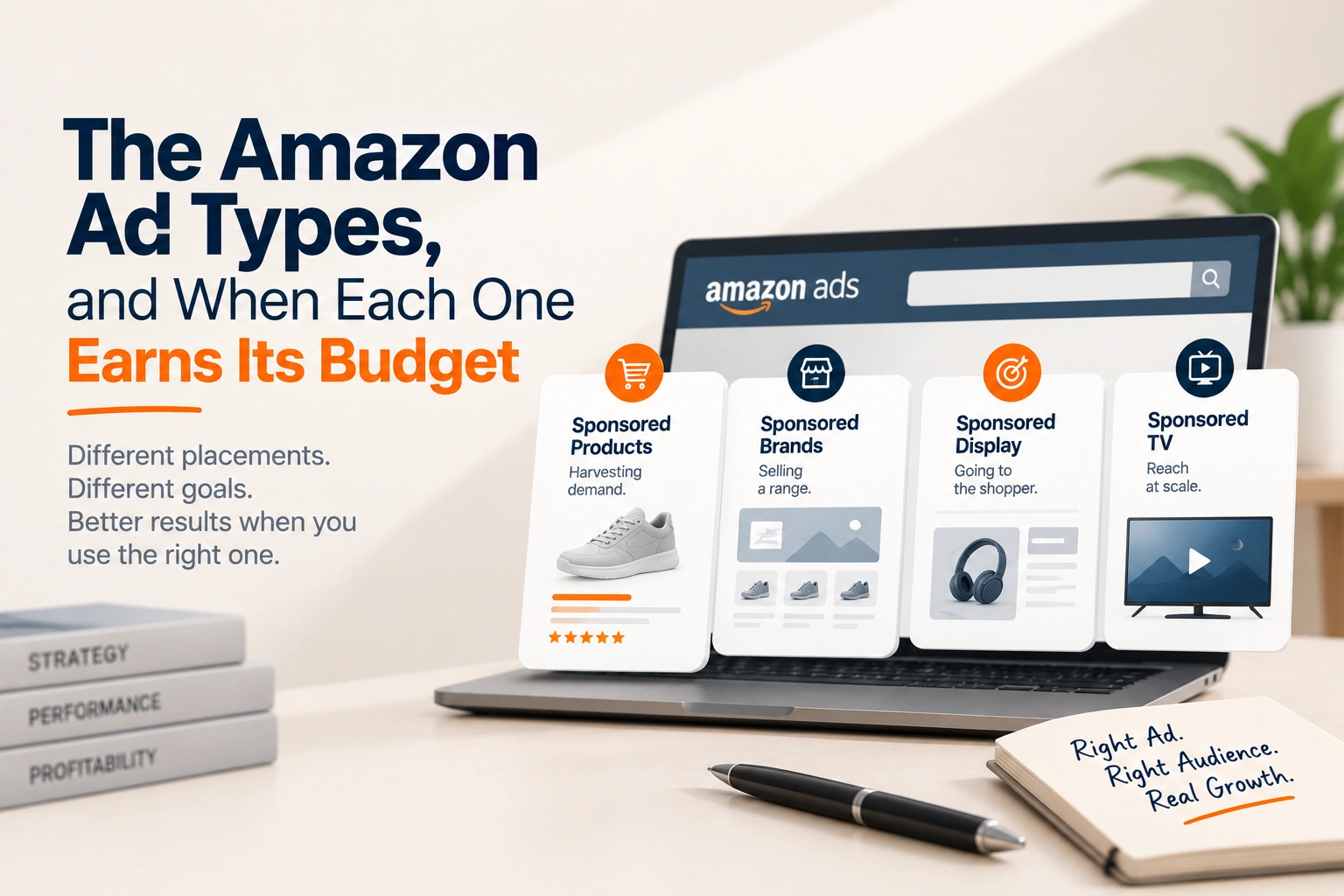
If the reading never happens because there is never time, that is a capacity problem rather than a discipline one, and seven clear signs you have outgrown manual management is the checklist for it. Which campaign types to run alongside these is covered in Amazon ad types and when each one earns its budget.
What we do with this
Both campaign types bid into the same auction, and how Amazon pay per click works is the shortest description of what they are bidding into. Keeping the handover running week after week is part of Amazon advertising management: it is the least interesting work in the account and the first thing to lapse.
Frequently asked questions
The questions that come up most often on this subject.
Both, doing different jobs. Automatic campaigns find search terms you would not have thought of. Manual campaigns let you set a bid for the ones that convert. Running only automatic means never controlling what you pay; running only manual means never discovering anything.
Enough to keep discovering, which is usually a small and steady share rather than a large one. Automatic is a research budget: once its useful terms have been promoted to manual, most of what is left is the waste it also finds.
Yes, and it is the single most important thing you do to them. Without negatives an automatic campaign keeps paying for terms you have already promoted to manual, so you bid against yourself, and it keeps buying the irrelevant matches it turns up.
Close match, loose match, substitutes and complements. The first two match your product to searches; substitutes and complements show it on other products' detail pages, and usually deserve a lower bid than the search groups. Bidding on them separately takes about ten minutes and stops one expensive group hiding inside an average.