Meta's Creator Marketing Hub: What Changed for Partnership Ads on 15 September 2026, and How a Brand Should Use It
On 15 September 2026 Meta put creator discovery and partnership ad creation into one Creator Marketing Hub: filters for creators who already feature products like yours, permissions that expire, one-click ads, and live video ads on Instagram from 29 September. What a brand gets, what it decides, and how to run it.


Loading Article banner
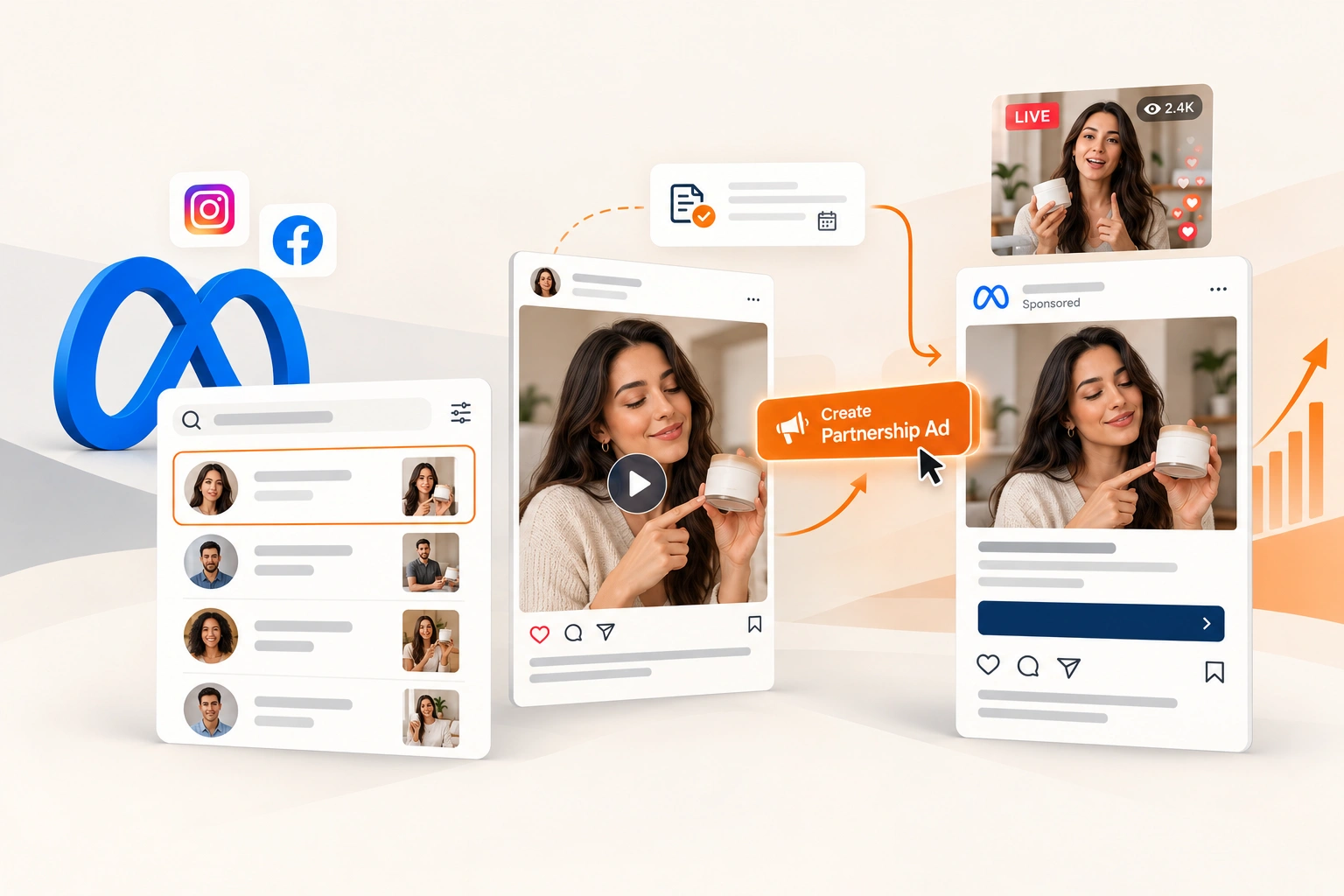
Partnership ads, where a creator's post about a product runs as the brand's advertisement with the creator's name on it, have been the best-performing format on Meta for many product brands for two years and the most awkward to run. Finding the creator was one tool, getting permission to use the post was a message thread, and turning the post into an ad was a third screen with its own failures.
On 15 September 2026, during the IAB's first Global Creator Week, Meta announced a Creator Marketing Hub that puts those steps in one place, plus live video ads on Instagram from 29 September. This is what Meta announced, in its words, what it changes for a brand that runs its own ads, and the decisions the hub does not make for you.
What Meta announced
Meta describes the Creator Marketing Hub as merging creator discovery and partnership ad creation into one platform, launching globally and rolling out through the remainder of 2026. Press coverage reports it combines the former Creator Marketplace and Partnership Ads Hub, first shown in June; Meta's own post lists what it does rather than what it replaces.
The features, as Meta lists them: discovery filters for products and affiliate content, so a brand can find creators who already feature products like its own; content-level permissions with expiration dates; one-click ad creation from a creator's post; content recommendations based on the ad objective; ad-readiness editing that fixes the blockers which stop a post running as an ad; and partnership messaging inside the hub.
For brands working through tools, Meta is adding Facebook creators to the Creator Marketplace API alongside Instagram creators, a Messaging API for creator outreach, and an expanded Content Discovery API with organic performance data. Meta AI's business assistant sits inside the hub, and partnership ads are available through Meta's Ads MCP connector for agent workflows.
The second announcement is the format: live video ads, previously on Facebook, roll out on Instagram from 29 September 2026 to general availability. A creator's livestream can be amplified as a partnership ad while it runs.
Meta's framing figure: it says creator recommendations influence 45% of consumer purchases and that creator economy ad spend has reached $37 billion, growing four times faster than media overall. Those are Meta's numbers in Meta's announcement, offered as the reason for the product.
What this changes for a product brand
Finding creators becomes a search for evidence, not reach. The filter that matters is the one for creators who already feature products like yours, with organic performance data behind it. A creator whose audience has already bought something similar is a different bet from one with a large following, and the hub now shows the difference before the first message.
Permissions become a term, not a favour. Content-level permission with an expiry date means a brand knows exactly which post it may run, until when. That is the paperwork most partnership ad programmes have been missing, and the reason so many stop when a creator changes their mind.
The ad is the post. One-click creation and ad-readiness editing mean the creative work is choosing the right post, not rebuilding it. The brands that do well here are the ones that brief creators to make posts that already answer a buyer's question, which is the same discipline who should make your TikTok Shop content applies on the other platform.
Live becomes a paid format. An Instagram live with a creator demonstrating a product can now carry paid reach beyond the creator's followers while it is happening. That is a format with a schedule, and a brand has to be ready to fulfil what a live sells.
What the hub does not decide
Which product the creator should feature, and at what price. A partnership ad that sends an audience to a product page with no reviews or to a store with a slow checkout buys attention for a page that loses it. The product and the page come first, as they do for every paid channel.
What the creator says. Meta's permissions cover use of the post; they do not make a claim in it true. A creator who says the product does something it does not has made the brand's advertisement say so, and the brand carries that. The brief to the creator, with the claims it may and may not make, is the brand's control.
Whose brand is being used. The same hub that helps a brand find creators featuring its products also surfaces creators featuring copies of them. How to report brand impersonation ads covers the route when a post trading on your name is not one you authorised.
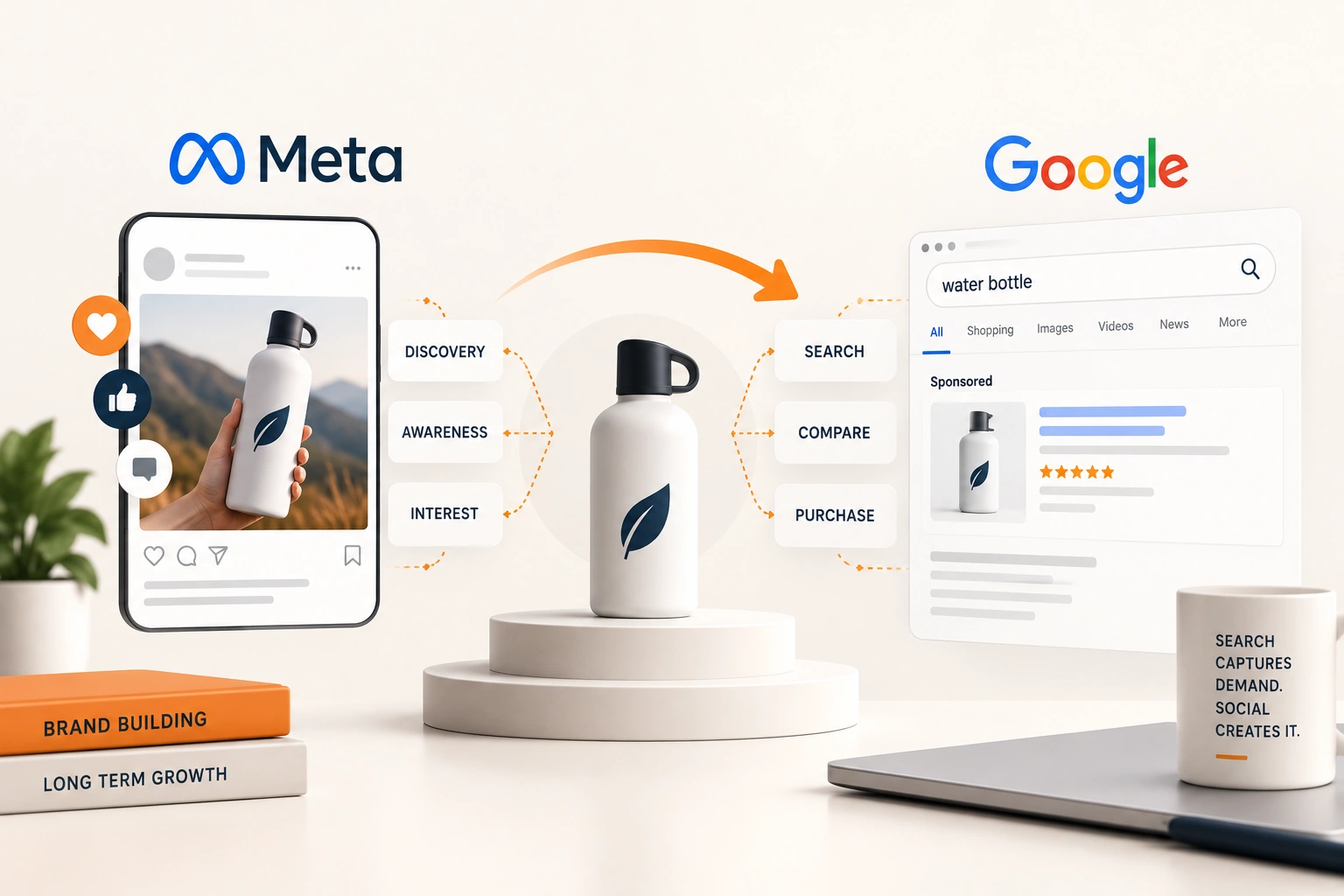
Whether Meta is the right platform for the spend. Partnership ads are a Meta format, and a brand's advertising budget still has to be split across the platforms where its buyer is. Meta Ads against Google Ads for eCommerce is where that split is argued, and the hub does not change the argument, only the cost of executing the Meta half of it.
A way to run it this quarter
Use the discovery filters to shortlist creators who already feature products in your category with organic results to show for it. Brief each one in writing with the product, the audience, the question the post should answer and the claims it may not make. Set permissions with an expiry that matches the campaign. Run each creator's post as a partnership ad against a small budget, alongside the brand's own creative on the same product, and read cost per purchase and new customer share for each. Keep the posts that win, extend their permissions, and drop the rest. If a live is planned, plan the stock first.
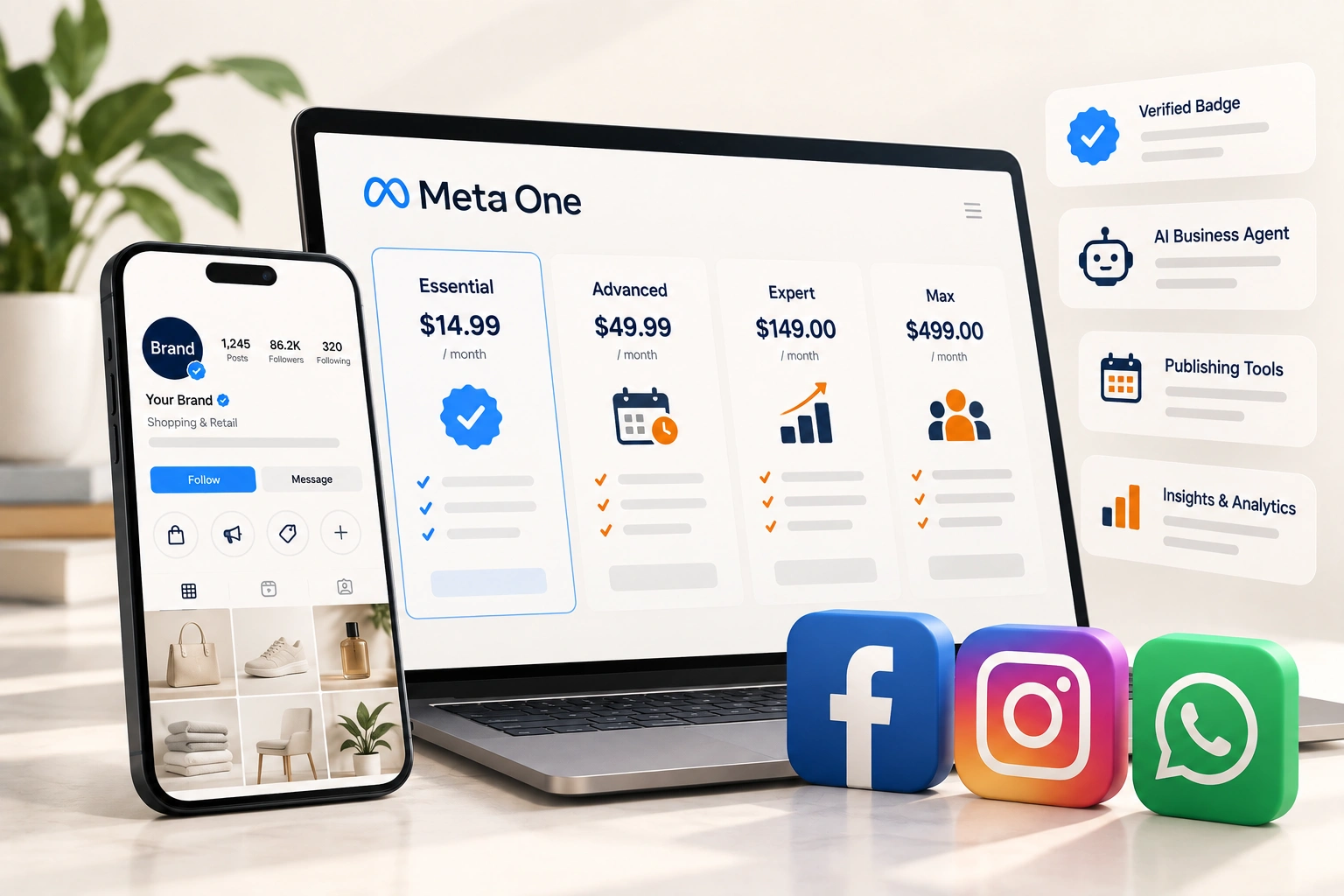
None of this needs the paid Meta One plans Meta announced the same day, which bundle credibility, messaging and analytics features rather than advertising; which Meta One plan a brand needs sets that out.
How we run Meta for product brands
We run partnership ads as a tested roster rather than a one-off: creators chosen on evidence, briefed on claims, permissions managed to a calendar, every post read against the brand's own creative on the same product, and the live format used only where the stock and the fulfilment can carry it. That is part of the Meta advertising we run for brands, and the hub makes the execution faster without changing what makes it pay. If you would like to know which of your products would carry a partnership ad test, that is a short conversation.
Frequently asked questions
The questions that come up most often on this subject.
A platform Meta announced on 15 September 2026 that merges creator discovery and partnership ad creation in one place: discovery filters for products and affiliate content, content-level permissions with expiry dates, one-click ad creation, recommendations by ad objective, ad-readiness editing and partnership messaging. It is rolling out globally through the rest of 2026.
Ads that run a creator's post as the brand's advertisement, with the creator named as a paid partner, so the brand can put paid reach behind content its audience trusts. The Creator Marketing Hub is where a brand now finds the creator, secures permission for the post and turns it into the ad.
Meta said live video ads, previously available on Facebook, roll out on Instagram from 29 September 2026 to general availability globally, so a creator's livestream can be amplified as a partnership ad while it runs.
Meta's announcement does not state a price for the hub; the ads themselves are bought as normal campaigns. It is separate from the paid Meta One plans Meta announced the same day, which are business subscriptions rather than advertising products.
Yes. Meta's permissions govern the use of the post, not the truth of its claims, and a partnership ad is the brand's advertisement. The brief to the creator, naming the claims it may and may not make, is the brand's protection.